Do you have any questions? Email Us
[email protected]







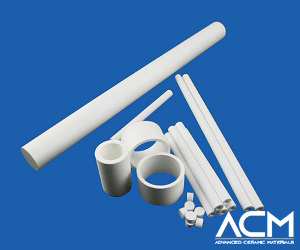
AC0971 Alumina Plate (Al₂O₃) — 95-99.8% Purity, Up to 1750°C
- Catalog No. AC0971
- Material Al2O3
- Purity 95%, 96%, 99%, 99.5%, 99.7%, 99.8%
- Density 3.8~3.9 g/cm3
- Max Working Temp. 1500°C ~ 1750°C (depending on purity)
- Thickness 0.5mm, 1mm, 2mm, 3mm, 5mm, 10mm, 20mm, 50mm. Custom thicknesses available.
Datasheet
Inquiry
AC0971 Alumina Plate (Al₂O₃) — 95-99.8% Purity, Up to 1750°C
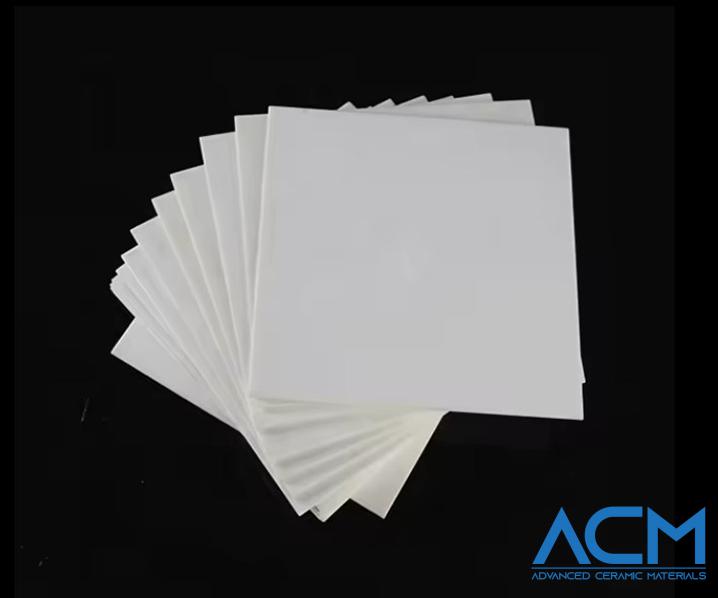
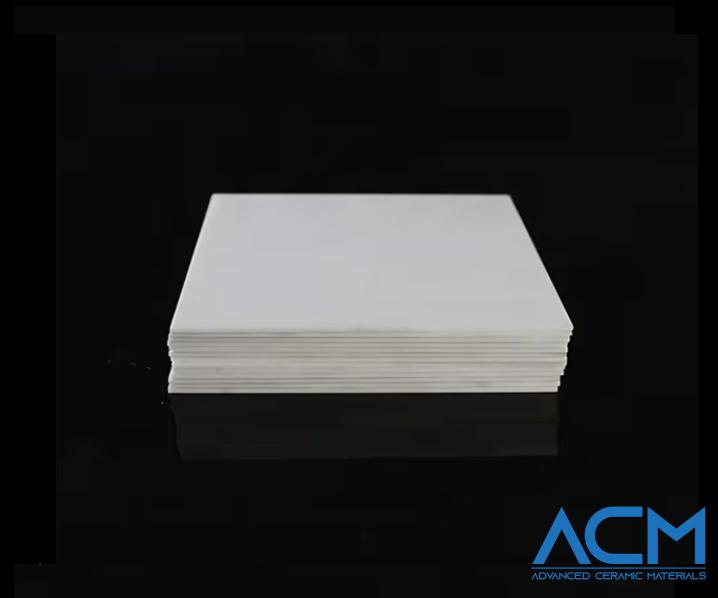
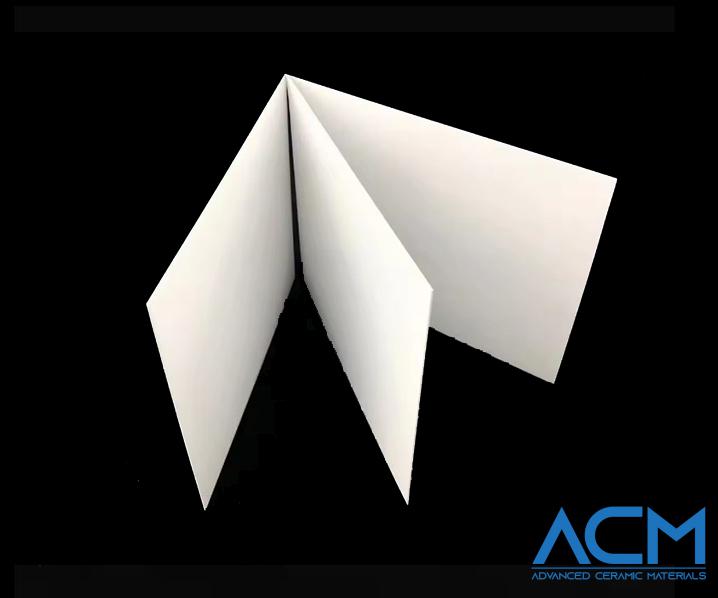
Aluminum Oxide (Alumina) Plate Description
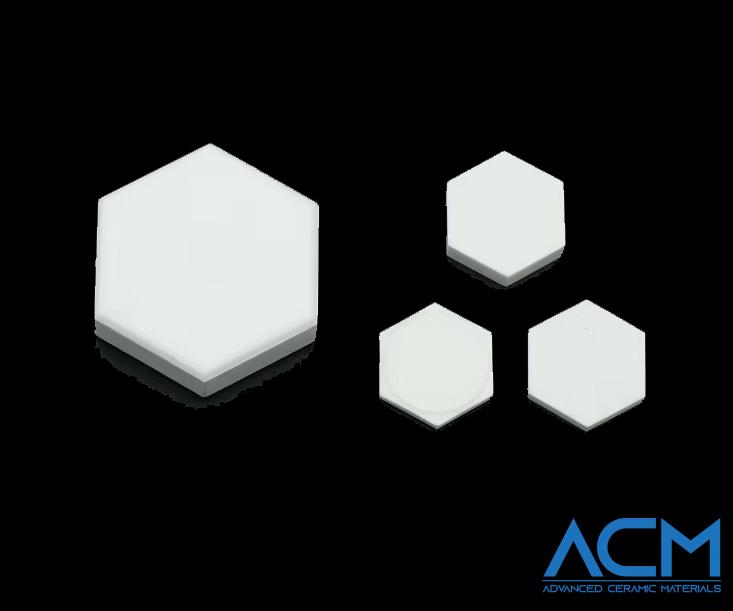
ACM supplies high-purity alumina plates, also known as aluminum oxide or Al₂O₃ ceramic plates, in purities from 95% to 99.8%, with maximum working temperatures up to 1750°C depending on grade. These plates offer high hardness, excellent electrical insulation, chemical resistance, and low thermal expansion. Typical applications include furnace components, thermocouple sheaths, semiconductor processing parts, and armor. Custom sizes and shapes are available with CNC machining, laser cutting, and waterjet cutting.
Aluminum Oxide (Alumina) Plate Specifications
Typical properties for 97% and 99.8% grades are listed below. Properties for other purities (95%, 99%, 99.5%, 99.7%) fall within the ranges shown.
| Composition | AL97 | AL98 |
| AL2O3 Content | 97% | 99.80% |
| Color | White | Ivory |
| Tensile | 30 Kpsi | 32 Kpsi |
| Flexural | 55 Kpsi | 60 Kpsi |
| Compressive | 300 Kpsi | 330 Kpsi |
| Density | 3.7 g/cc | 3.92 g/cc |
| Hardness | 13.8 HV, Gpa | 18 HV, Gpa |
| Thermal Conductivity | 25 W/(m K) | 32 W/(m K) |
| C.O.T.E. | 77 In / In°C (x10^7) | 78 In / In°C (x10^7) |
| Working Temperature | 1500 °C | 1750 °C |
| Dielectric Constant | 9.5 | 9.8 |
| Volume Resistivity | >10^14 Ohm-cm | >10^15 Ohm-cm |
| Dielectric Strength | 16 KV/mm | 20 KV/mm |
*This chart demonstrates the typical properties of common alumina materials used to produce our alumina ceramic parts. Properties of customized alumina parts may vary due to different processes. Advanced Ceramic Materials (ACM) can produce aluminum oxide products according to your specified instructions or strive to meet your requirements.
Key Features and Benefits
Aluminum oxide plates offer excellent performance in demanding high-temperature and corrosive environments.
- High-Temperature Resistance: Withstands temperatures up to 1750°C.
- Chemical Resistance: Excellent resistance to corrosive environments.
- Electrical Insulation: Superior insulating properties.
- Durability: High hardness and wear resistance.
- Low Thermal Expansion: Reduces the risk of thermal shock.
Applications
Aluminum oxide (alumina) ceramic plates have a wide variety of applications:
- Armor: Hard enough to be used as armor for personnel and vehicles.
- Chemical Industry: Ideal for applications requiring high corrosion resistance.
- Industrial Furnaces: Maintains hardness and structural integrity at high temperatures.
- Semiconductor Industry: Used in parts for CVD thin films, ion implants, photolithography, and other semiconductor components.
- Traditional Industries: Suitable for injector tubes, gas nozzles, and insulators.
Packaging
Our alumina plates are carefully handled to prevent damage during storage and transportation, ensuring the products remain in their original high-quality condition.
Usage Notes
- Before first use, dry alumina plates at 105°C for 2 hours to remove residual moisture.
- Recommended heating rate: ≤5°C/min below 1200°C; ≤4°C/min above 1200°C.
- Alumina is sensitive to thermal shock — gradual heating and cooling are recommended.
- Avoid direct contact with cold surfaces during high-temperature operation.
Why Choose ACM for Alumina Plates?
- High-purity alumina (95–99.8%) with consistent quality
- Custom sizes, shapes, and tolerances (down to ±0.05mm)
- CNC machining, laser cutting, and waterjet cutting available
- Competitive pricing for R&D and production quantities
- Material certificates and test reports available
Frequently Asked Questions (FAQs)
Q1: What is the difference between 95% and 99.8% alumina?
Higher purity alumina offers better high-temperature performance, higher electrical resistivity, and better chemical resistance. 95% is more cost-effective for general applications. 99.8% is recommended for semiconductor, aerospace, and high-temperature furnace applications.
Q2: Can you cut alumina plates to specific shapes?
Yes. We offer CNC machining, laser cutting, and waterjet cutting. Tolerances down to ±0.05mm are available. Send us your drawing (DXF, STEP, or PDF).
Q3: Do you provide certificates or test reports?
Yes. We can provide material certificates, dimensional inspection reports, and composition analysis upon request.
Q4: What heating and cooling rates should I use?
A: For alumina plates, we recommend a heating rate of ≤5°C/min below 1200°C and ≤4°C/min above 1200°C to minimize thermal shock.
Q5: Do you offer custom machining?
A: Yes. We provide CNC machining, laser cutting, and waterjet cutting. Tolerances down to ±0.05mm. Send us your drawing (DXF, STEP, or PDF) for a quote.
Ordering Information
How to order:
- Send us your specification: size (length x width x thickness), purity, and quantity.
- We will reply with a quote within 24 hours.
- Confirm the order and arrange payment (bank transfer, credit card, or PayPal).
What we need from you:
- Drawing or sketch (if custom shape)
- Desired purity (95% to 99.8%)
- Quantity and delivery address
Contact us using the [Get a quote] button.
 Preview
 Download

Request a Quote
-
Attachment (Optional)
No file chosen
Related Products

Tel : (949) 407-8904
Address : 1940 E Deere Ave #100 Santa Ana, CA 92705 U.S.A.
Main Products

Useful Links
Featured Posts