Do you have any questions? Email Us
[email protected]







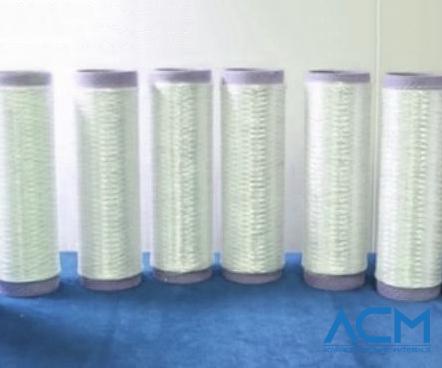
BN9142 Boron Nitride (BN) Ceramic Fiber – High-Temperature Thermal Insulation & Dielectric Material
- Catalog No. BN9142
- Chemical Formula BN (Boron Nitride)
- Form Ceramic Fiber
- Temperature Resistance ℃ Up to 2000
Inquiry
BN9142 Boron Nitride (BN) Ceramic Fiber – High-Temperature Thermal Insulation & Dielectric Material
Complete Technical Specifications
| Parameter | Specification |
|---|---|
| Chemical Formula | BN (Boron Nitride) |
| Crystal Structure | Hexagonal (h-BN) |
| Temperature Resistance | Up to 2000°C (Inert atmosphere) |
| Dielectric Constant | ≤ 4.5}- |
| Dielectric Loss | ≤ 5 × 10⁻³}- |
| Thermal Conductivity | Low (Excellent thermal insulator) |
| Chemical Inertness | Resistant to most acids, alkalis, and molten metals |
| Density | Low (Lightweight material) |
| Lubricity | Excellent (Similar to graphite) |
Technical Overview
1. The Boron Nitride Advantage
Boron Nitride (BN) ceramic fiber features a unique hexagonal microstructure similar to graphite, offering an exceptional combination of properties: high-temperature stability (up to 2000°C in inert atmospheres), outstanding chemical inertness, low dielectric constant, excellent thermal shock resistance, and natural lubricity. Unlike carbon-based fibers, BN does not oxidize readily and maintains its insulating properties even at extreme temperatures.
2. Primary Applications
- Aerospace & Defense: Thermal insulation for spacecraft re-entry vehicles, rocket nozzles, and hypersonic vehicle components requiring lightweight, high-temperature stability.
- Semiconductor Processing: Insulation components in high-temperature furnaces, diffusion furnaces, and epitaxial reactors where purity and chemical inertness are critical.
- Advanced Composites: Reinforcement fibers for ceramic matrix composites (CMCs) requiring thermal stability and oxidation resistance.
- High-Performance Sensors: Dielectric layers and insulation in sensors operating in extreme thermal environments.
- Energy Storage: Thermal management and separator materials in advanced battery and fuel cell designs.
- Consumer Electronics: Thermal insulation layers in high-power devices to prevent overheating and extend component life.
3. Key Material Properties
- Thermal Stability: Maintains structural integrity up to 2000°C in inert atmospheres, with good oxidation resistance up to 900°C in air.
- Electrical Insulation: Low dielectric constant (≤4.5) and low dielectric loss (≤5×10⁻³) make it an excellent high-frequency insulator.
- Chemical Inertness: Resistant to most acids, alkalis, molten metals, and slags, ensuring durability in corrosive environments.
- Mechanical Flexibility: Can be woven, felted, or formed into various shapes while maintaining structural integrity.
- Lightweight: Low density enables weight reduction in aerospace and transportation applications.
Quality Assurance
- Purity Control: High-purity raw materials with strict impurity limits for demanding semiconductor and aerospace applications.
- Thermal Testing: Verification of temperature resistance and thermal stability through controlled high-temperature testing.
- Dielectric Testing: Dielectric constant and loss measurements confirm electrical insulation performance.
- Chemical Analysis: Composition verification to ensure consistent BN phase and minimal contaminants.
- Standards Compliance: Typically meets ISO 9001 standards, with AS9100 available for aerospace applications.
Handling & Storage
- Handle with clean gloves to prevent contamination and fiber degradation.
- Store in sealed, moisture-resistant containers in low-humidity environments.
- Avoid contact with sharp instruments that could damage fiber structure.
- Use dedicated tools with appropriate protective gear when cutting or shaping.
Request a Quote
-
Attachment (Optional)
No file chosen
Related Products

Tel : (949) 407-8904
Address : 1940 E Deere Ave #100 Santa Ana, CA 92705 U.S.A.
Main Products

Useful Links
Featured Posts